


 English
  Português
 IGBT Inverter TIG-160/200 Máquina de soldagem conveniente, soldagem de exibição digital Controlável atual
Cat:Máquina de soldagem Tig
● Um arco estável é gerado entre um eletrodo de tungstêni...
Ver detalhesConteúdo
Tente isto: execute uma passagem TIG de 200 A em alumínio por dez minutos com uma tocha resfriada a ar. A alça esquenta, sua mão fica mais lenta e a poça de fusão fica mais difícil de controlar. Esse calor não vem apenas da peça de trabalho. Ele está se acumulando dentro da tocha, e é por isso que as lojas sérias eventualmente procuram uma máquina de solda com refrigeração a água.
Uma máquina de solda com refrigeração a água não é uma classe de fonte de energia diferente. É um sistema de soldagem com três partes práticas: uma tocha com canais internos de refrigeração, uma bomba e uma unidade radiadora que remove o calor do refrigerante. O próprio arco se comporta da mesma maneira que em uma máquina resfriada a ar. O que muda é a quantidade de calor que você pode colocar na tocha antes que ela se torne desconfortável ou insegura.
Essa diferença é o que torna o resfriamento a água atraente para soldagem TIG contínua, soldagem MIG de alumínio e linhas automatizadas. É também por isso que alguns compradores gastam demais em um sistema de que não precisam. O restante deste artigo explica quando o investimento compensa e o que verificar antes de se comprometer.
Um sistema básico resfriado a água é um circuito fechado. Uma bomba empurra o líquido refrigerante de um reservatório para o cabo da tocha. O refrigerante flui através de canais ao redor da cabeça da tocha e da área do bico de contato, onde o calor se acumula mais rapidamente e depois retorna para a unidade de resfriamento. Um radiador e um ventilador liberam o calor para o ar e o líquido refrigerante circula novamente.
As partes importam mais do que seus nomes:
Você não encontrará um padrão de vazão universal, mas a maioria das tochas TIG manuais funcionam na faixa de 2 a 4 litros por minuto. Tochas MIG maiores e feixes de mangueiras longos precisam de mais. Se a bomba estiver fraca, o refrigerante pode superaquecer e o sistema perde a capacidade de proteger a tocha. Se o fluxo for saudável, a tocha permanece fria o suficiente para ser segurada confortavelmente.
Para uma comparação prática de unidades básicas e o que você pode esperar com baixo custo, consulte nosso guia econômico de sistema de resfriamento de água para tochas de soldagem .
A comparação correta não é entre máquinas de solda, mas entre sistemas de tocha. A tabela abaixo resume as compensações que você sentirá no workshop.
| Parâmetro | Tocha resfriada a ar | Tocha resfriada a água |
|---|---|---|
| Meio de resfriamento | Fluxo de ar ao redor do corpo e cabo da tocha | Líquido refrigerante circulando dentro da cabeça da tocha |
| Sensação de tocha | Alça mais pesada, o calor chega à sua mão | Cabo mais leve, o calor é dissipado |
| Ciclo de trabalho sob carga sustentada | Reduzido pelo acúmulo de calor | Estendido, limitado pela máquina de solda |
| Manutenção | Baixo; substituir consumíveis da tocha | Verifique o líquido refrigerante, substitua o fluido periodicamente |
| Melhores aplicativos | Soldas curtas, MMA, MIG/TIG intermitente | TIG contínuo, MIG de alumínio, trabalho automatizado |
| Investimento | Menor primeiro custo | Maior custo inicial, baixo custo operacional |
O resultado prático é simples. Com o resfriamento a ar, você para com mais frequência ou aceita uma alça quente. Com o resfriamento a água, você solda por mais tempo na mesma corrente. A escolha não é uma questão de qualidade da solda; é sobre gerenciamento de calor e conforto do operador .
Nem toda oficina precisa de refrigeração a água. Você precisa disso quando duas condições aparecem juntas: alta corrente de soldagem e longos períodos de soldagem . Se algum deles estiver faltando, uma tocha resfriada a ar provavelmente será útil.
TIG com tocha resfriada a água faz a diferença mais visível. A 200 A e acima, uma tocha TIG resfriada a ar atinge seu limite rapidamente, especialmente em alumínio, onde o arco aquece e o controle do pedal mantém a corrente alta por vários minutos de cada vez. Os operadores que mudam para o resfriamento a água ganham duas vantagens práticas: eles podem trabalhar por mais tempo sem parar e a tocha permanece fina o suficiente para alcançar juntas nas quais uma alça mais volumosa refrigerada a ar não consegue caber.
A própria máquina de solda ainda é importante. Se você estiver configurando uma estação TIG resfriada a água, a fonte de alimentação deverá fornecer um controle de corrente limpo e estável. Máquinas de solda TIG com controle digital de corrente de soldagem na faixa de 160-200 A cobrem exatamente esse tipo de trabalho detalhado.
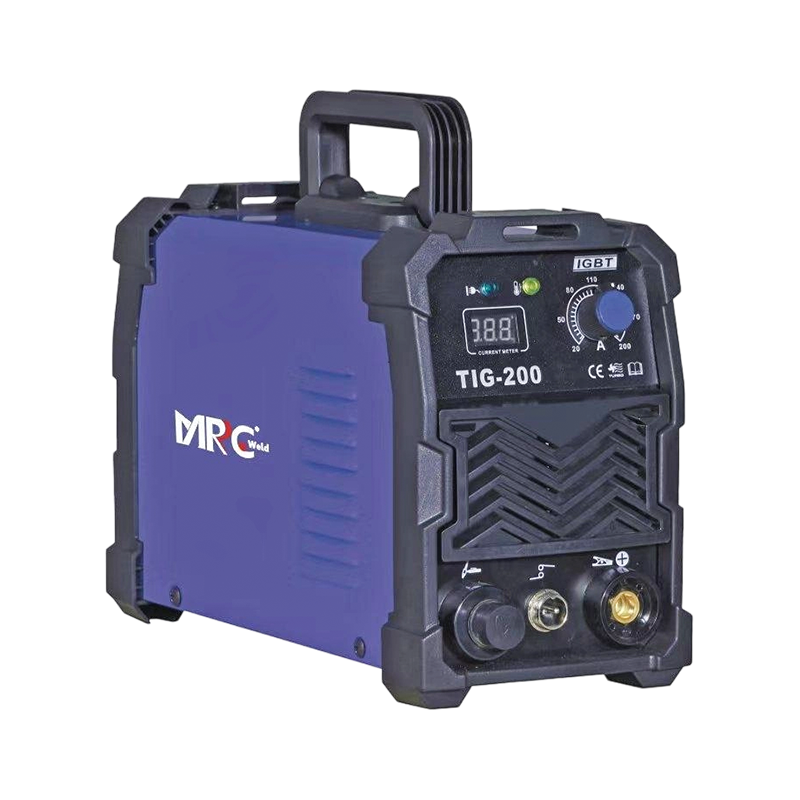 Soldador TIG-160/200 de atacado com tecnologia IGBT avançada e display digital - C TAIZHOU MIRACHER MACHINERY CO., LTD é um soldador TIG-160/200 atacado na China com tecnologia IGBT avançada e display digital - Kit completo ... Ver Produto →
 O alumínio para soldagem MIG é outro caso clássico de resfriamento a água. O alumínio requer corrente mais alta e mais entrada de calor do que o aço, e um turno de produção que execute MIG quase sem parar levará uma tocha resfriada a ar ao superaquecimento. O resfriamento a água permite que uma oficina execute sequências de soldagem mais longas e mantenha a tocha compacta o suficiente para um bom acesso.
Se você está planejando esse tipo de configuração, pense no pacote completo: uma máquina MIG classificada para a corrente que você pretende operar, um carretel de arame que corresponda ao seu volume de produção e uma tocha que pode ser atualizada para refrigeração. Para mais informações, nosso guia para como as máquinas de solda MIG são selecionadas explica a relação entre faixa de corrente, alimentação do arame e ciclo de trabalho.
Células robóticas e linhas multiestações funcionam em ciclos de trabalho elevados por design. Um robô não sente o calor, então a tocha suporta toda a carga. O resfriamento a água é padrão para este ambiente porque o refrigerante mantém a geometria da tocha estável durante longos ciclos.
Para estas aplicações, compre a máquina de solda com altura livre suficiente. Máquinas de solda MIG multimateriais com capacidade de até 350 A proporcionam à linha reserva de corrente e flexibilidade de processo, enquanto a unidade de resfriamento a água protege a tocha. Em uma configuração de múltiplas estações, essa combinação evita o ponto de falha mais comum: uma tocha que superaquece e interrompe a produção.
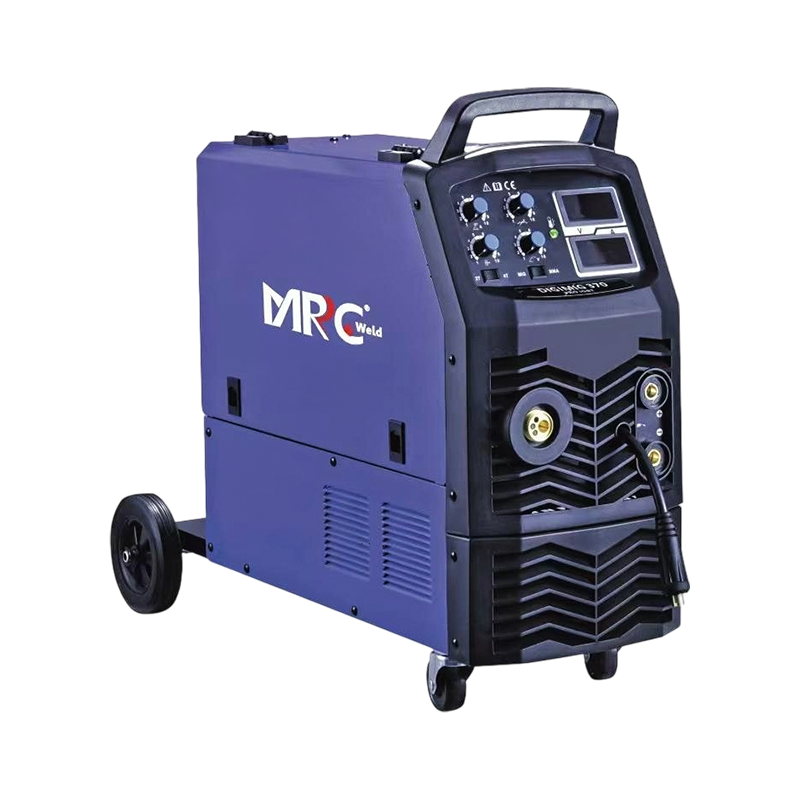 Atacado INVERSOR MIG-250/300/350 CAPACIDADE DE SOLDAGEM MULTIMATERIAIS MAC TAIZHOU MIRACHER MACHINERY CO., LTD é o atacado da China INVERTER MIG-250/300/350 MULTI-MATERIAL WELDING CAPABILITY WELDING MACHINE Manufa ... Ver Produto →
 Se você decidir optar pelo resfriamento a água, a compra não envolve apenas a caixa de refrigeração. Os fatores a seguir determinam se o sistema fornecerá o que você espera.
A unidade de resfriamento deve rejeitar mais calor do que o processo de soldagem produz na tocha. Combine três números em vez de olhar apenas para a potência da bomba:
Uma regra prática: para uma aplicação TIG de 200 A com produção contínua, escolha uma unidade de refrigeração classificada pelo menos uma classe de corrente acima do seu ponto normal de operação. Esta margem mantém a temperatura do líquido refrigerante estável e prolonga a vida útil da bomba e do radiador. A mesma lógica se aplica ao MIG, onde pistolas de 300 A ou pontas de contato grandes geram mais calor em espaços confinados.
Use o refrigerante recomendado pelo fabricante da tocha. Na maioria dos casos, isso significa água destilada misturada com um inibidor de corrosão ou um refrigerante de água pronto para uso. A água da torneira é um erro comum: ela deixa incrustações nos pequenos canais, e a incrustação eventualmente bloqueia a tocha.
Substitua o líquido refrigerante em intervalos regulares. No uso típico em oficina, uma ou duas vezes por ano é uma boa base, dependendo da frequência com que a máquina funciona. Inspecione o conjunto de mangueiras quanto a rachaduras e os acoplamentos rápidos quanto a vazamentos. Os sistemas refrigerados a água falham com mais frequência devido à negligência na manutenção do que devido a falhas de fabricação.
O resfriamento a água é um complemento. Verifique se a máquina de solda e a tocha utilizam conexões compatíveis. Para TIG, isso significa o conector da tocha, a conexão do gás e, se houver, o conector do controle remoto na fonte de alimentação. Para MIG, o conector euro ou central determina se você pode montar uma pistola resfriada a água diretamente.
Verifique também a tensão de entrada da unidade de resfriamento. Muitas unidades de resfriamento portáteis funcionam com a mesma alimentação monofásica da máquina de solda, mas versões industriais mais pesadas podem exigir 400 V. Confirme isso antes da instalação.
O resfriamento a água resolve um problema térmico. Ele não consertará uma máquina de solda subdimensionada, gás de proteção deficiente ou uma técnica de soldagem errada.
Se você fizer soldas curtas, materiais finos ou trabalhos de reparo intermitentes, uma tocha resfriada a ar geralmente é suficiente. O peso da tocha é menor, o sistema é mais simples e não há risco de vazamento em equipamentos sensíveis. O trabalho de soldagem a arco manual e de nível inicial raramente precisa de refrigeração líquida. Se a sua carga de trabalho for principalmente soldagem a arco manual, o guia manual da máquina de solda a arco de metal neste site fornece critérios práticos de seleção sem envolver um sistema de refrigeração.
Um mal-entendido comum sobre a temperatura do líquido refrigerante também pertence aqui: mais frio não é melhor. O líquido refrigerante deve permanecer acima do ponto de orvalho do ar circundante. Se o líquido refrigerante estiver muito frio, poderá formar-se condensação na cabeça da tocha e na ponta de contato, o que é perigoso e pode causar porosidade na solda.
Uma máquina de solda com refrigeração a água é um investimento prático para soldadores que executam processos contínuos e de alta corrente. A tocha resfriada a água mantém suas mãos confortáveis, mantém acesso a juntas apertadas e protege os consumíveis da tocha contra danos causados pelo calor.
Comece com seu ciclo de trabalho real. Se você utiliza regularmente TIG acima de 180-200 A, ou MIG acima de 250-300 A, por mais da metade do seu tempo de trabalho, o resfriamento a água vale o custo. Se o seu trabalho for curto e variado, um sistema refrigerado a ar mantém o orçamento mais baixo e a configuração mais simples.
Ao fazer a troca, avalie a máquina de solda, a tocha e a unidade de resfriamento como um sistema. Essa é a única maneira de garantir que o calor seja gerenciado desde a ponta de contato até o radiador, e esse é o verdadeiro ponto do resfriamento a água.
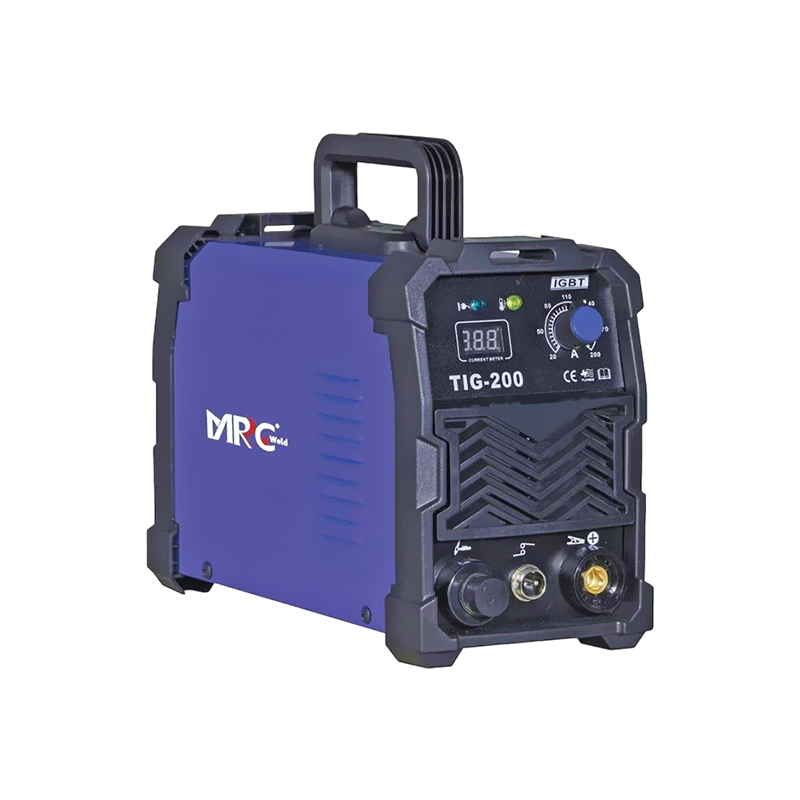
● Um arco estável é gerado entre um eletrodo de tungstêni...
Ver detalhes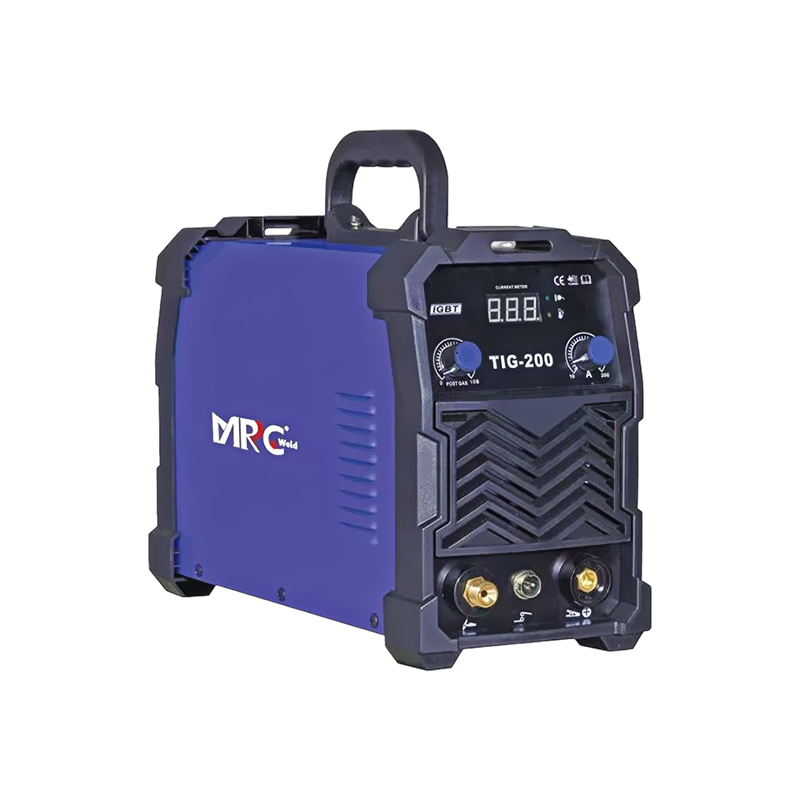
● Este equipamento de soldagem multifuncional apresenta r...
Ver detalhes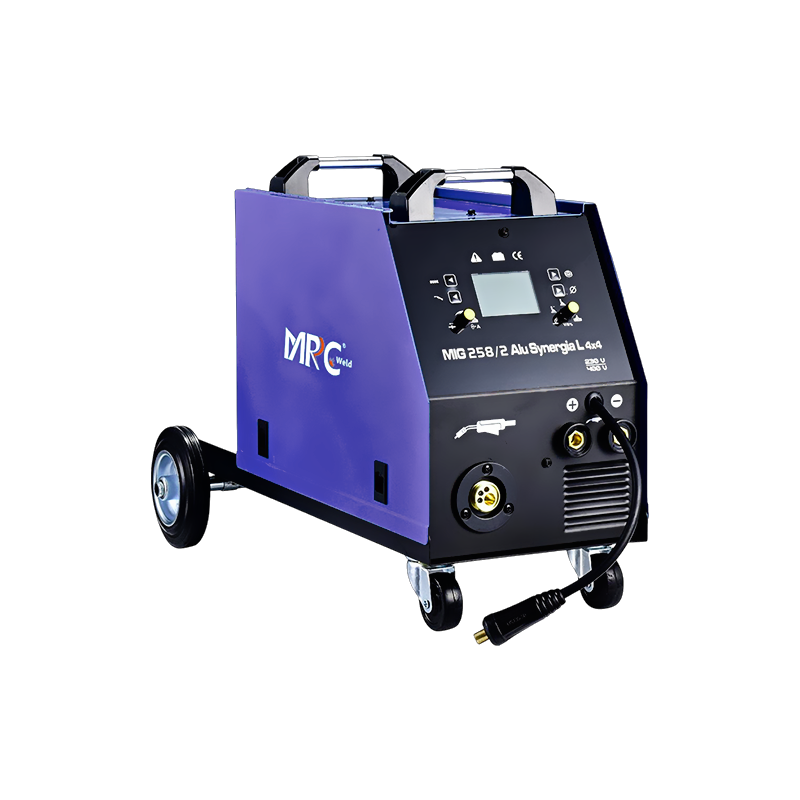
● Arquitetura de inversor de alta frequência MCU IGBT de ...
Ver detalhes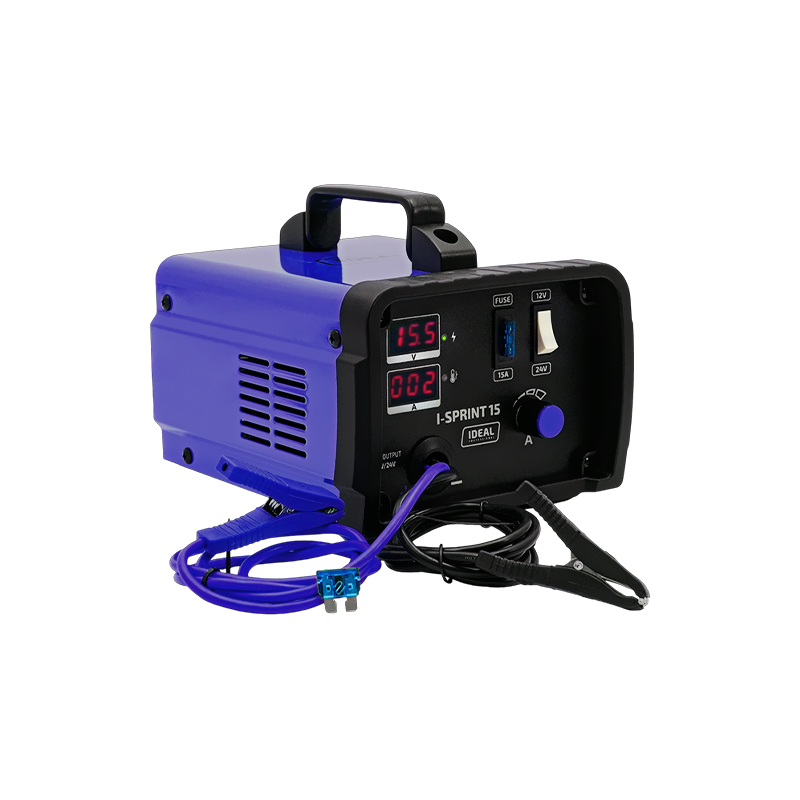
● 1*230V ● Tensão de carregamento: 6/12V 12/24V ...
Ver detalhes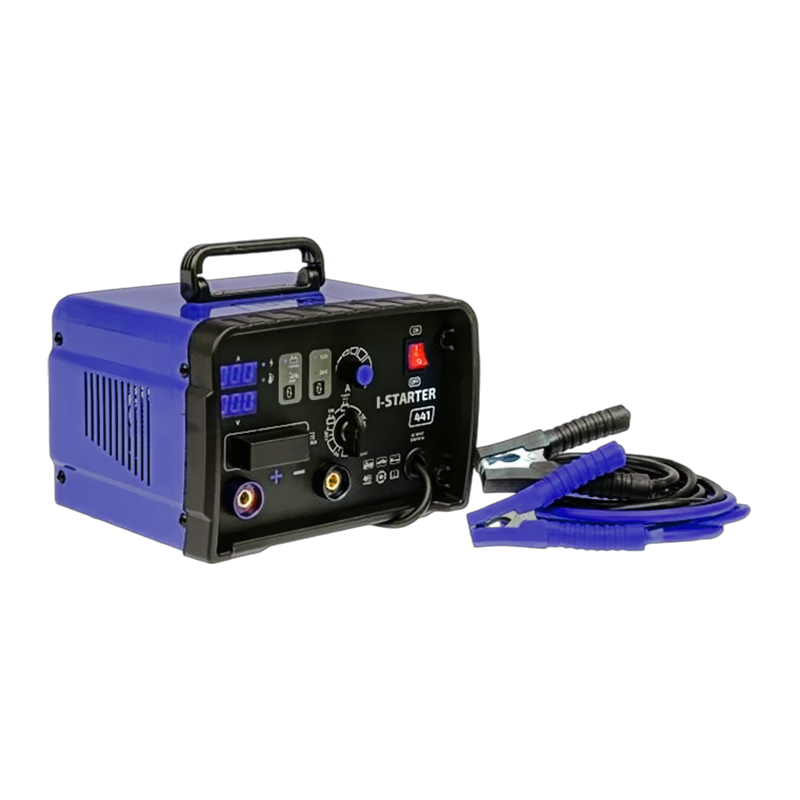
● 1*230V ● Tensão de carregamento: 12/24V ● Corrent...
Ver detalhes
Direitos autorais © TAIZHOU MIRACHER MACHINERY CO., LTD. Todos os direitos reservados;Fabricantes de equipamentos de soldadura industrial personalizados


 sale@miracher.com
 0086-15988994409